
Cyber security in Nigeria is entering a new phase in 2026. Digital services are expanding faster than security teams can adapt, and cyber threats are no longer isolated technical incidents but complex fraud ecosystems built around data abuse, identity manipulation and transaction exploitation.
For fraud analysts, security teams and compliance professionals, the challenge is not just detecting attacks, but understanding how different threats connect and evolve. Cyber security today requires visibility across data, identity and behavior, especially in high-growth markets like Nigeria.
When data becomes the primary attack vector
Data is now one of the most valuable assets for cyber criminals operating in Nigeria. Leaked personal information, reused phone numbers and exposed identity records are frequently used to create fake details that pass basic verification checks. Once these identities enter digital systems, they become tools for downstream fraud, including chargeback abuse, carding and account takeover.
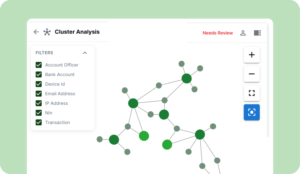
Security teams often struggle because data is fragmented across systems. Without a unified view, patterns remain invisible until losses accumulate. Archer helps teams connect data points across onboarding, transactions and behavioral signals, making it easier to identify inconsistencies before fraud scales.
Identity manipulation and the limits of traditional KyC
Kyc verification remains a critical control, but in 2026 it is no longer sufficient on its own. Fraudsters increasingly combine real identity elements with synthetic data, exploiting gaps in biometric verification, proof of address checks and tin verification processes. Tools like cac public search and firs tin verification provide valuable signals, but only when they are correlated and monitored continuously.
Archer supports teams by enriching identity workflows with risk context, allowing analysts to move beyond pass-or-fail verification and focus on abnormal patterns that indicate intent to defraud.
Carding, cvv abuse and transaction-level threats
Carding continues to be one of the most visible cyber security threats in Nigeria. Stolen card data, including cvv information, is used in automated attacks that overwhelm basic fraud rules. These attacks often appear legitimate when viewed in isolation, making detection difficult for overstretched teams.
By analyzing transaction behavior in real time, Archer enables teams to detect subtle anomalies that signal coordinated fraud activity, helping reduce false positives while stopping high-risk transactions earlier in the cycle.
From isolated alerts to threat intelligence
One of the biggest challenges for cyber security teams is alert fatigue. Too many signals, too little context, and not enough time to investigate. In 2026, effective cyber security in Nigeria depends on transforming alerts into intelligence.
Archer helps teams prioritize threats by correlating data, identity and behavior into clear risk indicators. This allows security analysts, fraud teams and compliance professionals to collaborate around a shared understanding of risk, rather than working in silos.
Cyber security as a team capability, not just a tool
Cyber security tools alone do not stop fraud. What makes the difference is how teams use data to anticipate threats, adapt controls and respond faster. In Nigeria’s evolving threat landscape, teams that combine strong cyber security foundations with adaptive fraud detection are better positioned to stay ahead.
Archer is designed to support this team-centric approach, giving analysts the context they need to make confident decisions and reduce exposure to emerging threats.For more insights on fraud patterns, data security and identity risk, explore the archer blog:
https://www.archerprotect.com/blog/