
Cybersecurity in Nigeria has become a key factor in driving fintech growth.
As more Nigerians rely on digital platforms for payments, lending, and everyday financial services, the risks associated with data exposure, identity fraud, and weak verification processes have grown just as fast.
In 2026, fintech companies that want to scale sustainably must treat cybersecurity, data intelligence, and KYC verification as core business foundations, not operational afterthoughts.
Nigeria’s fintech ecosystem operates in a uniquely high-pressure environment. Rapid onboarding, mobile-first users, and increasing regulatory scrutiny mean that even small gaps in computer security or identity verification can lead to fraud, chargebacks, and reputational damage. This is why modern fintechs are shifting toward integrated cybersecurity and fraud intelligence platforms like Archer, which combine data analysis, behavioral monitoring, and compliance signals into a single risk view.
Why cybersecurity is a business priority for Nigerian fintechs
Cybersecurity threats in Nigeria are no longer limited to isolated hacking attempts.
Financial institutions now face coordinated attacks involving carding, clone cards, compromised CVV details, fake identities, and account takeovers. Nigerian users frequently search for terms like “check this phone number Nigeria” or “fake details” because trust remains fragile in digital finance.
Local media and industry analysis show that cybersecurity incidents often stem from weak data controls, unsecured APIs, or poor identity validation rather than sophisticated malware alone. When attackers exploit these weaknesses, fintechs suffer not only financial losses but also higher chargeback rates and increased regulatory attention. Strengthening cybersecurity is therefore directly linked to protecting revenue and maintaining customer confidence.
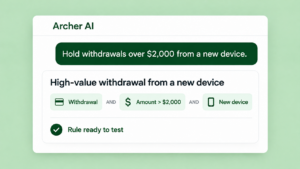
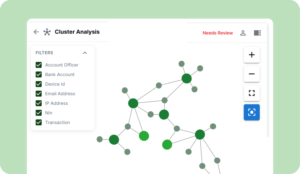
Archer addresses this challenge by helping fintechs connect transaction data, identity signals, and behavioral patterns, allowing security analysts to detect fraud earlier and reduce false positives that frustrate legitimate users. You can explore how this works in practice on the Archer fraud intelligence platform:
archerprotect.com
KYC Verification and identity data as a security layer
KYC verification is one of the most searched fintech-related topics in Nigeria, and for good reason. Processes such as CAC public search, TIN verification, virtual NIN validation, and proof of address checks are now central to fraud prevention. However, many fintechs still treat KYC as a one-time compliance step instead of an ongoing security signal.
In reality, identity data becomes far more powerful when combined with behavioral analysis. Fraudsters increasingly use synthetic identities, recycled phone numbers, and stolen documents to bypass basic checks. This is why modern cybersecurity strategies integrate KYC verification with transaction monitoring and device intelligence.
Archer enables fintech teams to continuously assess identity risk rather than relying on static verification. By linking KYC data with real-time activity, fintechs can detect abnormal behavior early, reduce exposure to fake details, and meet regulatory expectations without slowing down onboarding.
Data and cybersecurity: The real competitive advantage
Data is at the heart of both cybersecurity and fintech innovation. Nigerian fintechs generate vast volumes of transaction and user data, yet many struggle to transform that data into actionable security insights. Without proper analysis, warning signs such as unusual spending patterns, repeated failed verifications, or coordinated account behavior go unnoticed.
In 2026, successful fintechs will be those that invest in cybersecurity tools capable of analyzing data holistically. This includes understanding how carding attempts evolve, how disputes and chargebacks originate, and how identity fraud connects across multiple accounts. Archer supports this data-driven approach by giving security and risk teams a single source of truth for fraud detection and cyber risk management.
To see how Archer approaches data intelligence and fraud prevention, visit our insights section:
archerprotect.com/blog
Cyber security and regulation in Nigeria’s fintech sector
As cyber threats increase, Nigerian regulators are paying closer attention to cybersecurity, KYC compliance, and source of funds verification. Fintechs are expected to demonstrate stronger controls around identity, transactions, and customer data protection. This regulatory pressure is pushing the industry toward more robust cybersecurity frameworks.
Rather than viewing compliance as a burden, leading fintechs are using it as a trust signal. Platforms that can clearly explain how they protect customer data, verify identities, and prevent fraud gain credibility with users, partners, and investors. Archer helps fintechs align cybersecurity operations with compliance requirements by providing clear audit trails, risk insights, and monitoring capabilities.
Building trust through cybersecurity and data intelligence
Cybersecurity in Nigeria is no longer just about protecting systems; it is about protecting trust. In 2026, fintechs that fail to secure data, strengthen KYC verification, and monitor fraud risk in real time will struggle to compete. Those that adopt integrated, intelligence-led platforms like archer will be better equipped to scale securely, reduce fraud losses, and meet growing regulatory expectations.
By combining cybersecurity, data analysis, and identity intelligence into one strategy, Nigerian fintechs can move faster without compromising safety.