
In Nigeria’s rapidly growing digital economy, fraud is one of the biggest challenges facing fintechs, banks, lenders, and payment platforms. Data analysts are increasingly on the front lines of fraud detection, responsible for turning massive volumes of transaction data into actionable insights that protect businesses and customers.
As we head into 2026, the job of a fraud data analyst won’t just be about spotting anomalies. It will demand a blend of technical skills, business acumen, and advanced analytical capabilities. In this article, we explore the most important skills you’ll need and how Archer anti-fraud platform helps amplify these capabilities.
1. Advanced data analysis & pattern recognition
Fraud analysts must be adept at extracting insights from complex, high-volume transaction datasets. This means familiarity with tools such as SQL, Python, and data visualization software (e.g., Power BI, Tableau) to identify trends, anomalies, and emerging fraud patterns.
Why it matters in Nigeria:
Nigeria’s digital payments and fintech platforms generate millions of transactions daily, requiring analysts to detect subtle fraud signals quickly. Manual reviews no longer suffice, advanced analysis is essential.
How Archer helps:
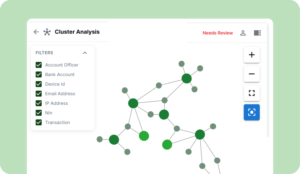
Archer consolidates transaction logs, behavioral data, and real-time analytics into intuitive dashboards, reducing the time analysts spend cleaning and preparing data so they can focus on insights.
2. Real-time transaction monitoring & alerting
Traditional end-of-day reports can’t keep up with Nigeria’s fast-moving payment landscape. Fraud analysts must adopt real-time transaction monitoring to stop fraud before it happens, not after.
Skill focus:
- Real-time alert configuration
- Threshold and rule tuning
- Suspicious pattern detection
How Archer helps:
Archer’s Transaction Monitoring tool uses AI-enhanced models to flag suspicious activity instantly. This gives analysts a proactive edge over fraudsters, critical in markets where attacks evolve rapidly.
3. Behavioral Analytics & Machine Learning Understanding
Machine learning and behavioral analytics are no longer “nice-to-have” , they are central to detecting complex fraud such as synthetic identities, mule accounts, or transaction manipulation.
Key analyst capabilities:
- Familiarity with anomaly detection techniques
- Understanding model outputs
- Evaluating false positives and negatives
How Archer helps:
Archer embeds behavioral signals directly into its alerting and scoring framework, helping analysts see why a transaction was flagged and reducing the manual effort needed to interpret results.
4. Case management and cross-functional collaboration
Fraud prevention doesn’t happen in isolation. Analysts must work with compliance, risk, customer support, and legal teams, and produce regulator-compliant reports.
What analysts need:
- Clear incident and evidence documentation
- Effective communication skills
- Collaboration with diverse internal teams
How Archer helps:
Archer’s built-in case management system centralizes alerts, notes, and follow-ups, making it easier to respond quickly and share insights with other teams.
5. Regulatory knowledge & ethical standards
Understanding local regulations (e.g., KYC/AML requirements) and ethical considerations around sensitive data is vital. Nigerian analysts must balance fraud detection with compliance and data privacy.
What analysts should master:
- Nigerian data protection requirements
- AML (Anti-Money Laundering) basics
- Ethical handling of personally identifiable information
How Archer helps:
Archer is built with data privacy compliance and encryption at its core — enabling analysts to run investigations without exposing sensitive data.
6. Continuous learning & tech awareness
Given the pace of fraud innovation, continuous professional development — whether through courses, certifications, or on-the-job learning — is essential. Training in AI fraud detection, advanced analytics, and fraud typologies will keep analysts relevant.
How Archer helps:
By automating time-consuming tasks and surfacing insights, Archer gives analysts more bandwidth to learn new techniques, validate models, and innovate fraud strategies.
In 2026 and beyond, fraud data analysts in Nigeria will need a suite of advanced skills, from data analytics and real-time monitoring to machine learning awareness, teamwork, and regulatory insight. Platforms like Archer not only augment these skills but also empower analysts to make faster, smarter, and more impactful decisions.
By combining human expertise with cutting-edge anti-fraud technology, analysts can stay ahead of fraud threats and help secure Nigeria’s vibrant financial ecosystem.