
In recent years, cybersecurity compliance has become a critical board-level issue for companies operating in Nigeria’s fast-growing digital economy. Businesses from fintech startups to traditional banks are now required not only to defend against technical threats like malware and ransomware, but also to demonstrate compliance with evolving laws such as the Nigeria Data Protection Act (NDPA). Understanding and avoiding common compliance mistakes is no longer optional – it’s a key part of cybersecurity protection in Nigeria and a decisive factor in maintaining customer trust and operational continuity.
Cybersecurity compliance mistakes are often subtle. They arise not from malicious intent, but from assuming that compliance is just ticking boxes rather than embedding security and privacy into daily business processes. When companies get it wrong, the consequences can be steep: regulatory penalties, reputational damage and increased exposure to cyber threats such as data breaches and identity theft. (Privacy Matters)
In this article, we explore the most common cybersecurity compliance mistakes Nigerian organisations make, why they happen, and practical steps you can take to avoid them.
Mistake 1: Assuming compliance doesn’t apply because the business is small
One of the most persistent misconceptions among startups and SMEs in Nigeria is that “we’re too small, so the law doesn’t apply to us.” This is simply untrue. Under the NDPA, any organisation that processes personal data of Nigerian citizens must comply with data protection requirements regardless of its size or revenue. Whether you are a local ecommerce business or a budding tech platform, the law sees you as a data controller or processor. (https://secureprivacy.ai/)
The assumption that only large enterprises need to worry about compliance leads many small businesses to delay implementing basic protections such as privacy notices, consent mechanisms, and secure data storage. These are not optional aspects of cybersecurity; they are foundational compliance requirements that impact your strategy for cyber risk assessment and data breach prevention.
Mistake 2: Copying generic privacy policies instead of tailoring them
Another frequent error is importing privacy policies from foreign websites and publishing them without modification. While it might seem efficient, this practice often results in policies that fail to meet NDPA requirements and obligation standards set by the Nigeria Data Protection Commission (NDPC). (Privacy Matters)
A valid privacy policy under Nigerian law must clearly explain what data is collected, why it is collected, how it is processed, where it may be transferred (especially across borders), and how long it is stored. Simply placing a generic privacy boilerplate on your site without these specific elements can expose your organisation to compliance risks.
Mistake 3: Failing to conduct regular data audits
Many organisations either overlook data audits entirely or treat them as a one-time checklist item. This oversight can lead to significant compliance gaps. Regular data audits help companies map out what personal data they process, where it resides, who has access to it, and whether retention and deletion policies are aligned with legal requirements. (https://secureprivacy.ai/)
Without up-to-date insights into how data flows through your systems, you can’t adequately secure it or demonstrate compliance. A comprehensive cyber risk assessment must include data audit practices; otherwise, even sophisticated security measures like endpoint security or cloud security solutions could be protecting the wrong assets.
Mistake 4: Neglecting employee training and awareness
Cybersecurity compliance is only as strong as the people involved. A common mistake is assuming that technical controls alone are enough. Even the most robust systems are vulnerable when staff are not trained on compliance obligations, secure data handling, and how to recognise threats like phishing. (CyberTech Nexus)
Training should be continuous and contextual. It is one thing to ask employees to “use strong passwords,” but another to embed a culture that understands why consent matters, how to handle data subject requests, and what actions could trigger a data breach notification under the NDPA.
Mistake 5: Using poor data storage and retention practices
In some Nigerian organisations, customer data is stored in unsecured spreadsheets, shared drives without proper access controls, or legacy systems that lack encryption. This is a risky compliance misstep. Not only does it violate NDPA principles for data security, but it also makes your organisation an easy target for breaches. (LinkedIn)
Retention policies are equally important. Keeping personal data longer than necessary without legal justification can attract regulatory scrutiny. Compliance demands not just secure storage, but disciplined data lifecycle management.
How to avoid these compliance mistakes
Avoiding these common pitfalls starts with a mindset shift: compliance should be seen as an ongoing strategic process, not a one-off project.
Companies should:
- begin with a thorough cyber risk assessment that includes compliance gaps
- tailor privacy notices and consent mechanisms to Nigerian regulatory requirements
- embed regular data audits into operational workflows
- invest in continuous employee training on data protection and secure behaviour
- implement structured data retention and deletion policies
- build mature incident response plans that include breach reporting obligations
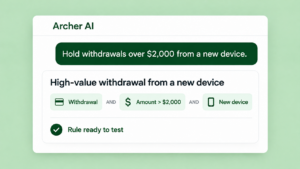
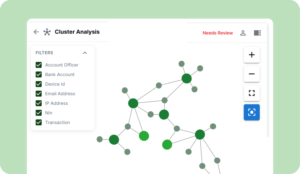
These steps not only reduce regulatory risk but also strengthen your overall cybersecurity posture, making your organisation more resilient to threats and more trustworthy to your customers. With Archer, you will not only help prevent the most common failures automatically. You will also have access to customized tools to prevent any type of threat to your business.